

Key takeaways
-
Design for behaviour, not headcount. Desk ratios and share percentages are no longer the right place to start. We need to understand how teams actually work: how much they collaborate, focus and move between spaces to inform the design, workpoint number and space types.
-
Attendance data should drive desk numbers, not legacy ratios. By understanding peak attendance patterns, organisations can confidently reduce workpoint numbers, often to between 40–60% of team headcount, while still meeting actual demand.
-
The value of the office has changed - and matured. It's become a destination for connection, collaboration, culture and wellbeing, not just a place to use a desk. A varied mix of settings empowers people to match environment to task, in turn driving engagement, productivity and attendance.
Was your last workplace change focused on headcount and the number of desks you had?
Workplace decisions often start with leaders aligning headcount to a desk ratio. That may have worked pre-2020, but today's workplaces need to be designed around how people actually work. The number of workpoints and types of spaces should reflect behaviours and how teams operate.
With the majority of workforces working differently since COVID and clients still frustrated by low attendance and underutilised offices, it’s time to fully understand how people work, how they communicate and what they need from the modern workplace.
Over the past ten years, I’ve worked for a few large organisations and consulted to various clients. One thing that still stands out to me is how decisions are made without a true understanding of how their teams work.
Workplaces for people, not just numbers.
When I was a Space Planner at one of the Big Four banks (yes there are roles within property teams who think about space and team allocations), our focus and decision-making was centred around team numbers and share ratios. In fairness, it was pre-COVID, so our thinking was right up there for the time, but for many teams this was limiting.
For office-based teams, a 1:1 (100%) to 0.7 (70%) share ratio using standard banks of desks was considered appropriate. But some teams worked differently. These teams still required access to powered workpoints with monitors, keyboards and mice, but they collaborated with colleagues both in the office and offshore 80% of the time.
As a result, the existing workplace configuration failed to support the way they actually worked. Teams regularly became frustrated and adapted the environment themselves, moving furniture and equipment or sourcing ad hoc solutions to enable groups of six to ten people to work together effectively. This activity highlighted a misalignment between the intended workplace design and actual work behaviour, leaving other spaces underutilised or ignored completely.
Today, most office workers still need a desk or workstation at least some of the time. Within any team there are likely to be people who primarily work at a desk, alongside individuals who are in and out of both internal and external meetings.
Following COVID, many organisations embraced flexible working, with employees splitting their time between the office and working remotely, but the Australian HR Institute says, ‘More than half of employees say their workspaces do not enable their best work’, and that ‘more than four in five employees (that’s 81 per cent) feel the layout and seating arrangements in their offices are not conducive to effective collaboration and brainstorming.’
The changing role of the workplace
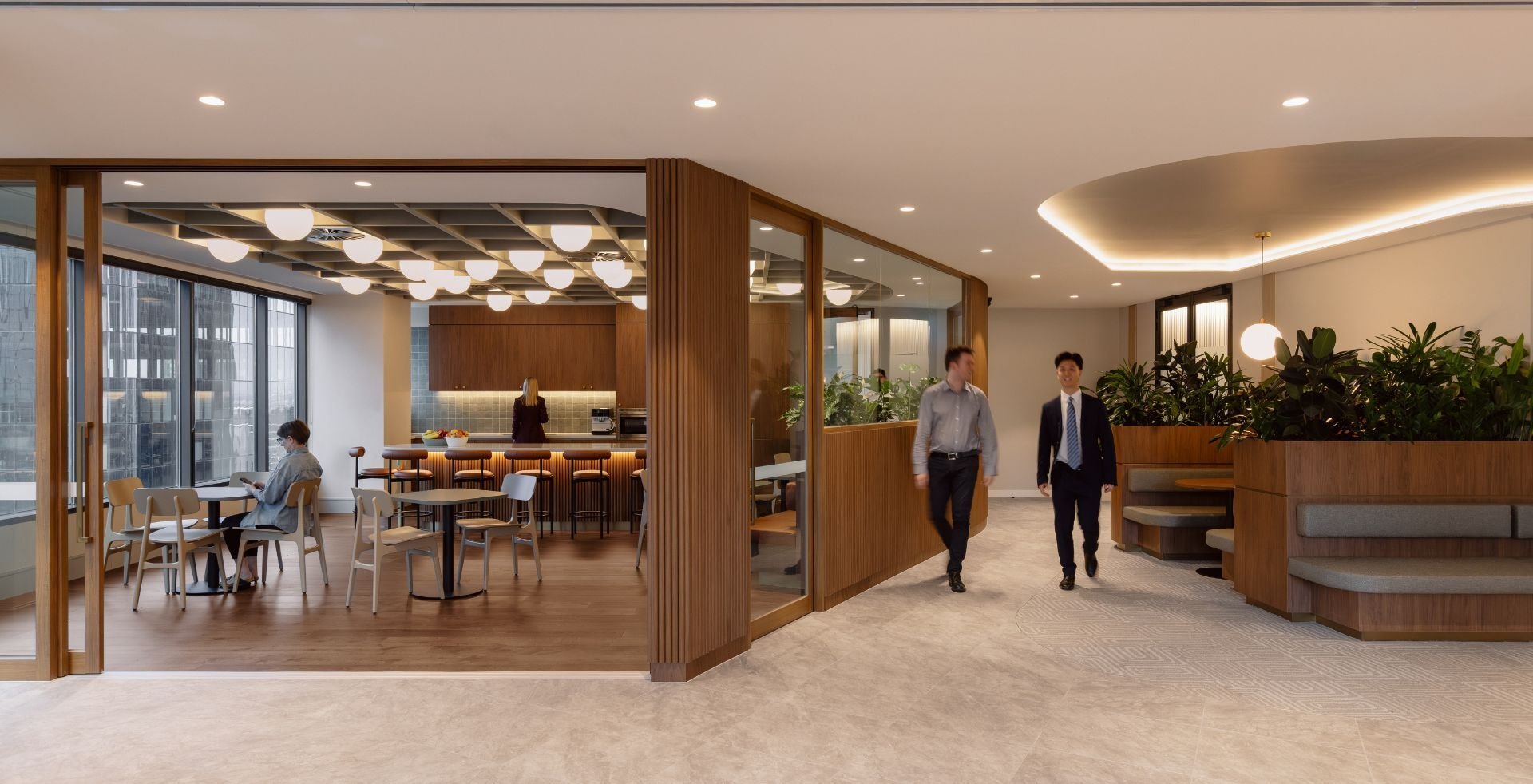
Flexible working has led to changes in workplace expectations with the office no longer being simply a destination for individual work. Value is now measured by its ability to provide a diverse range of settings that foster connection, collaboration, learning and focus, creating an environment that meets people’s needs and allows both teams and individuals to thrive.
Beyond supporting work activities, the workplace also plays an important social and cultural role. For many of us (myself included), some of our strongest friendships began at work, built through shared experiences, collaboration and the everyday interactions that shape our careers. This is particularly important for younger generations entering the workforce, where value of the workplace extends beyond productivity to include connection, community, wellbeing and belonging.
In other words, the workplace isn’t just a workplace, it’s also a location where team members want to make connections and socialise with their colleagues. As Karen Primmer, Head of Workplace Innovation and Transformation at Colliers says, ‘The office is no longer simply a place to work; it is a destination for connection, collaboration and performance.’
Karen goes on to say that organisations need to ‘move beyond aesthetics and deliver environments that genuinely support engagement, wellbeing and productivity. Embedding flexibility and inclusivity into workplace design is critical, as is actively involving employees in shaping the experience and ensuring spaces reflect shared values.’
Creating the right spaces for the right work
To recognise and understand the different space types we require today, it’s necessary to meet employees needs and empower them to perform at their best. To do that, we need to listen to how our teams want to work and fully understand what motivates them to come to the office.
So how do we progress past simply providing enough desks to meet attendance patterns and create an environment where teams flourish and individuals thrive?
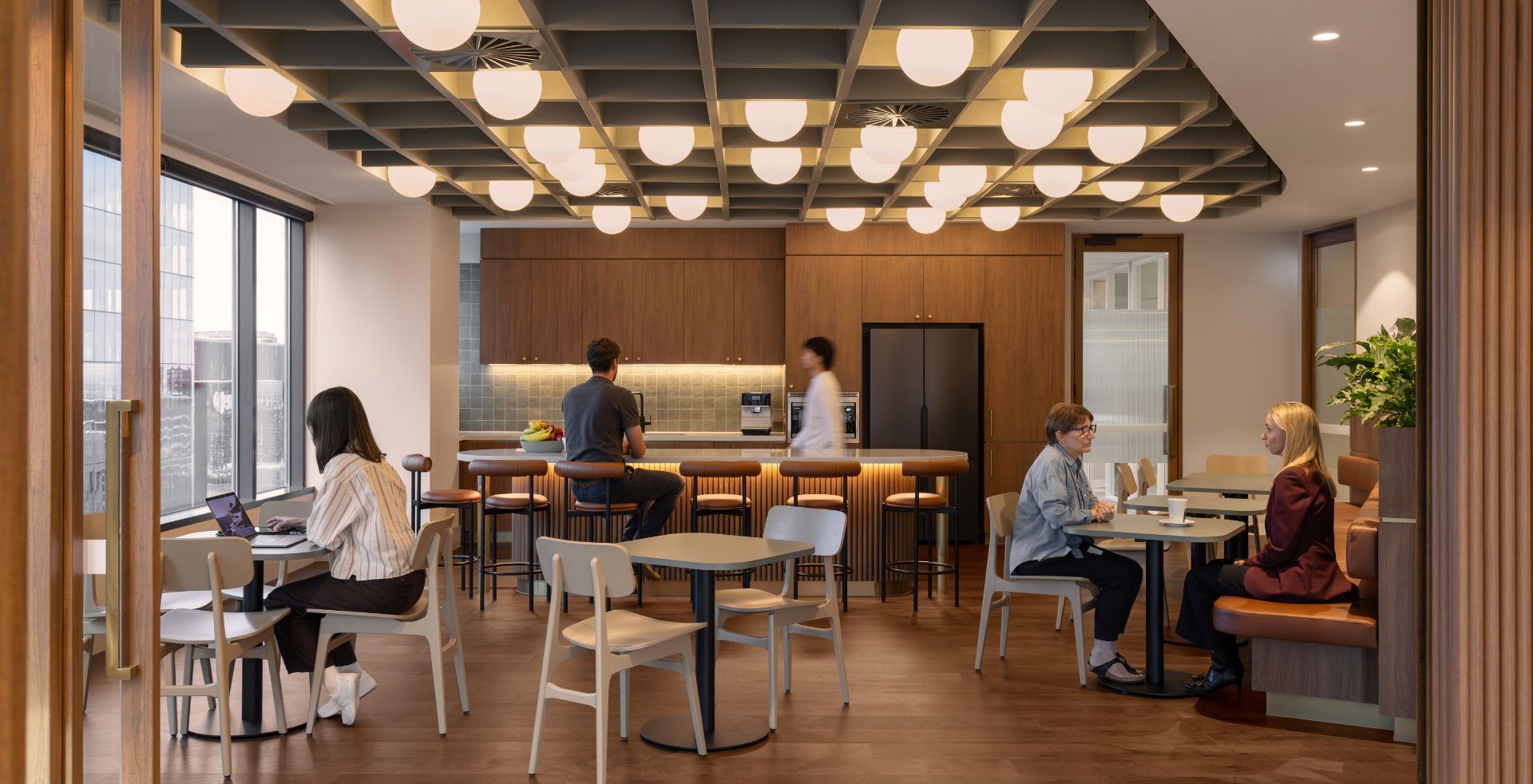
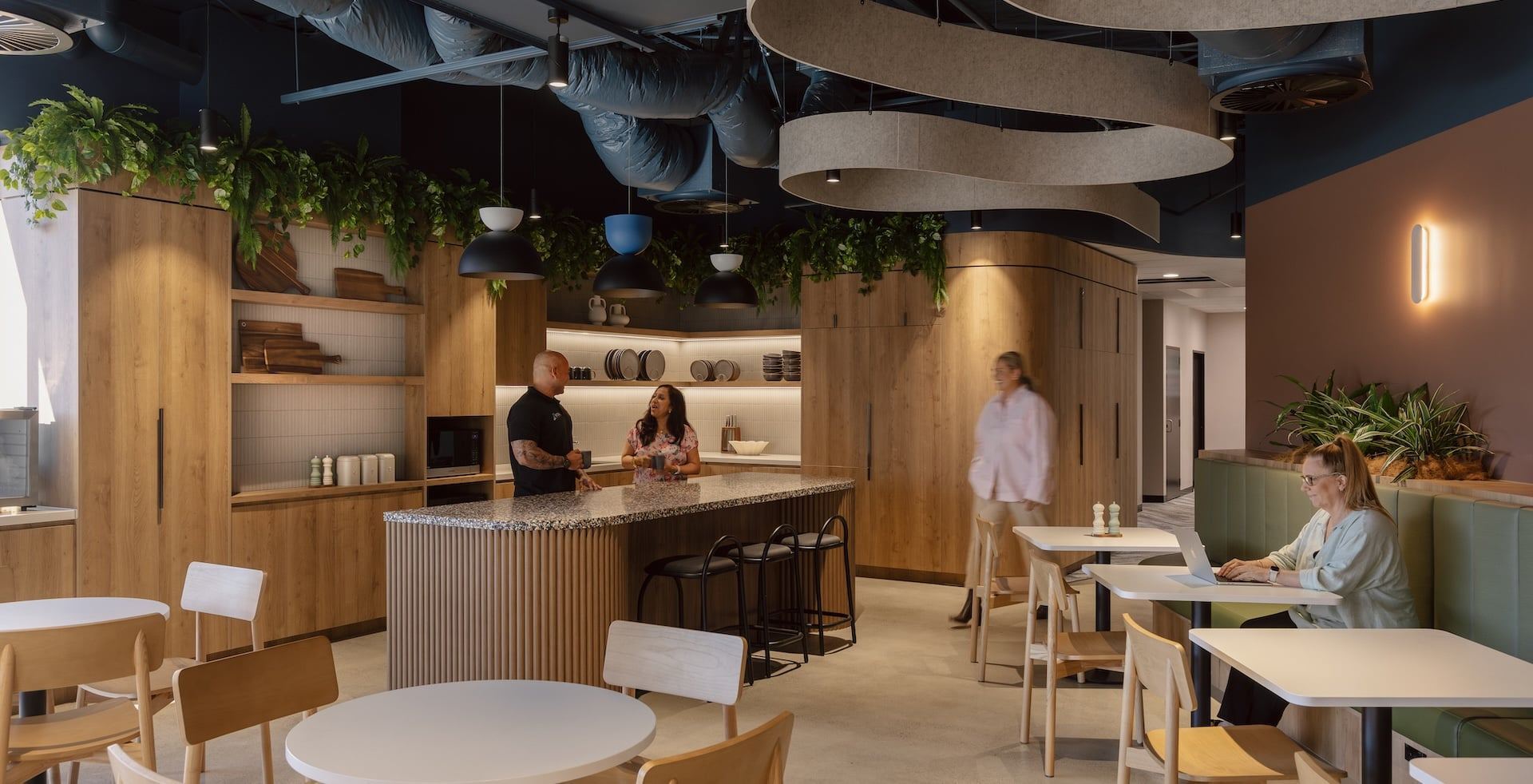
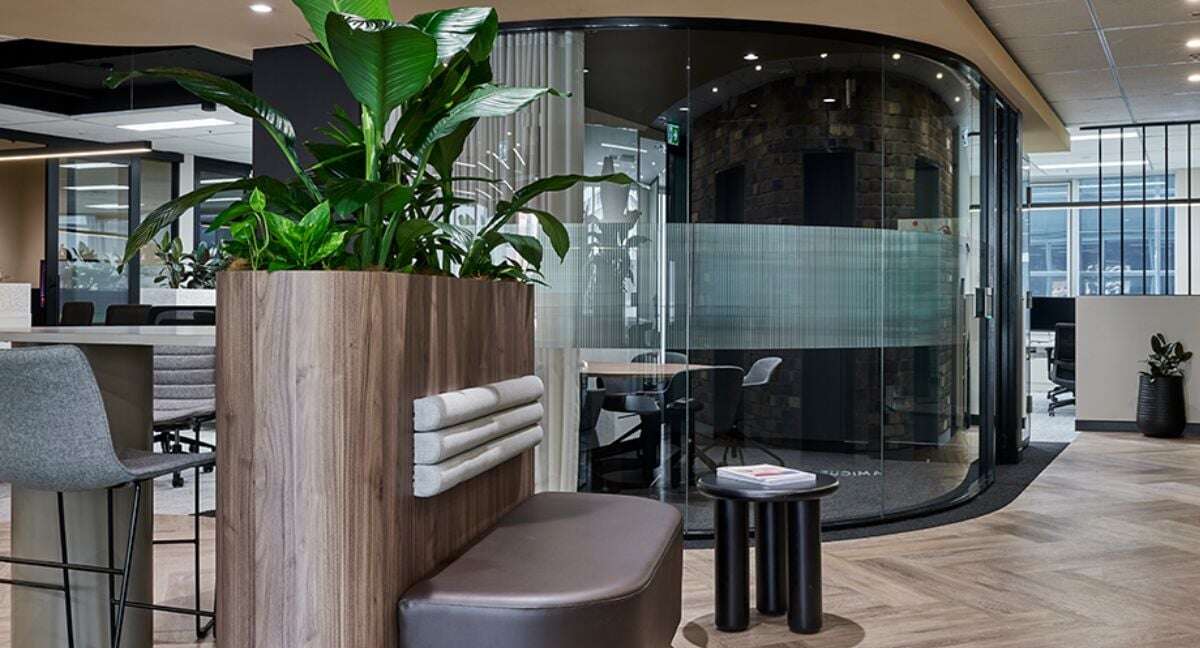
Different types of workspaces are essential, but we need to look closely and appreciate the nuances between focused work and quiet zones versus collaboration, quick chats and calls, appropriately sized rooms for in-person and virtual meetings and areas for connection.
I’ll go to the office when I want to collaborate with colleagues and know I have time to connect in person. On a typical day, I’ll sit at a desk, jumping into a combination of booked internal meeting rooms, focus rooms and collaboration spaces for appropriate activities. On days filled with back-to-back virtual meetings, I have little need for a traditional workstation, so working from a focus room allows me to remain productive while ensuring desk space is available for those who need it most.
A workplace designed around flexibility and choice
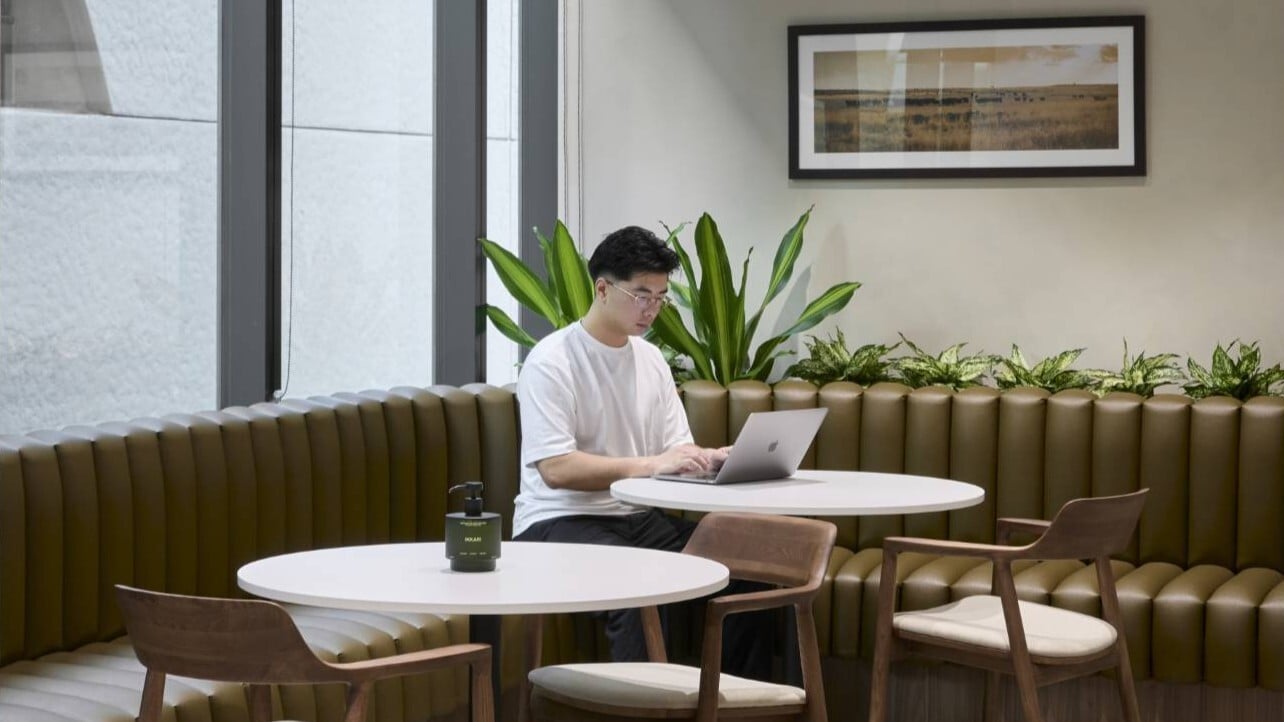
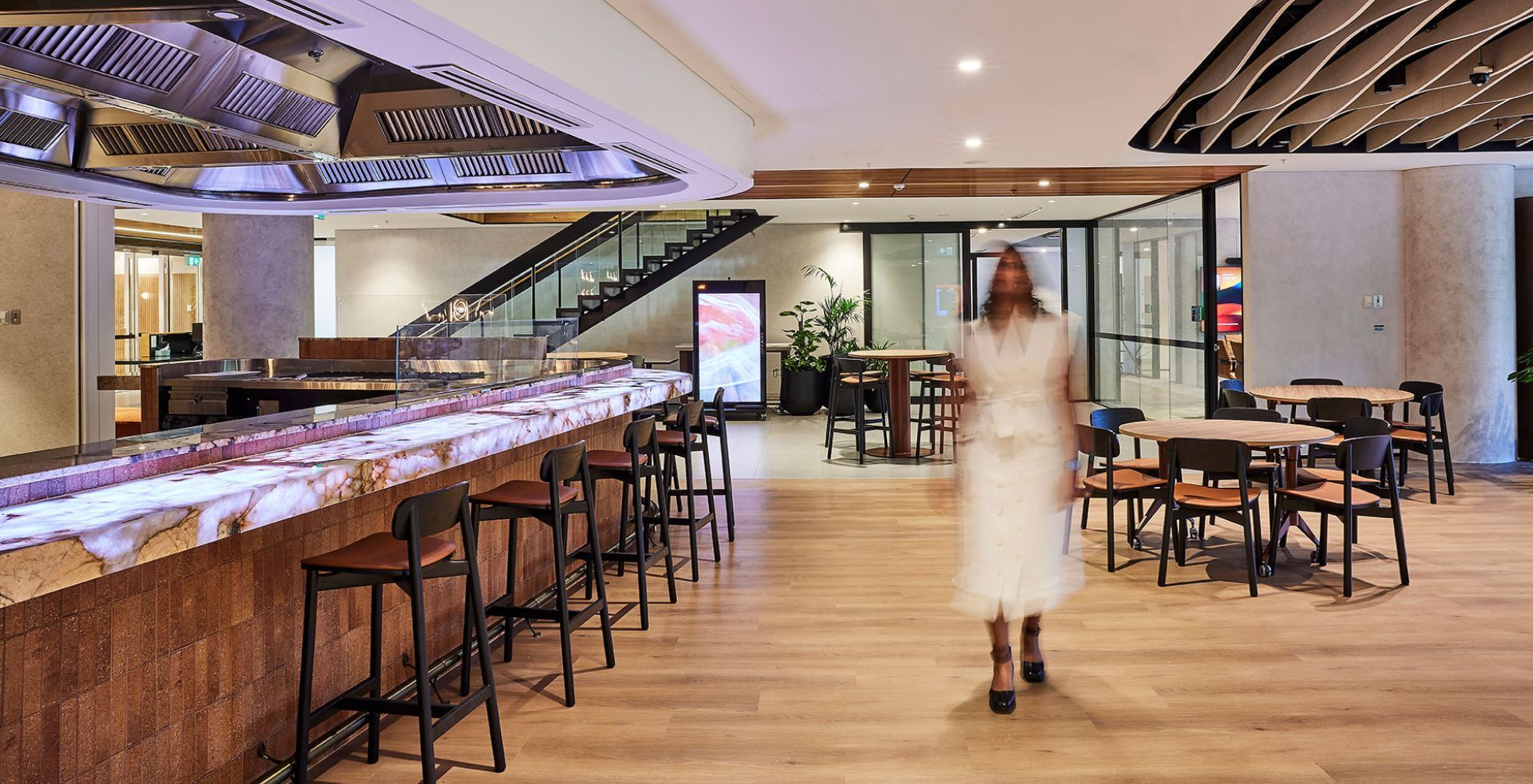
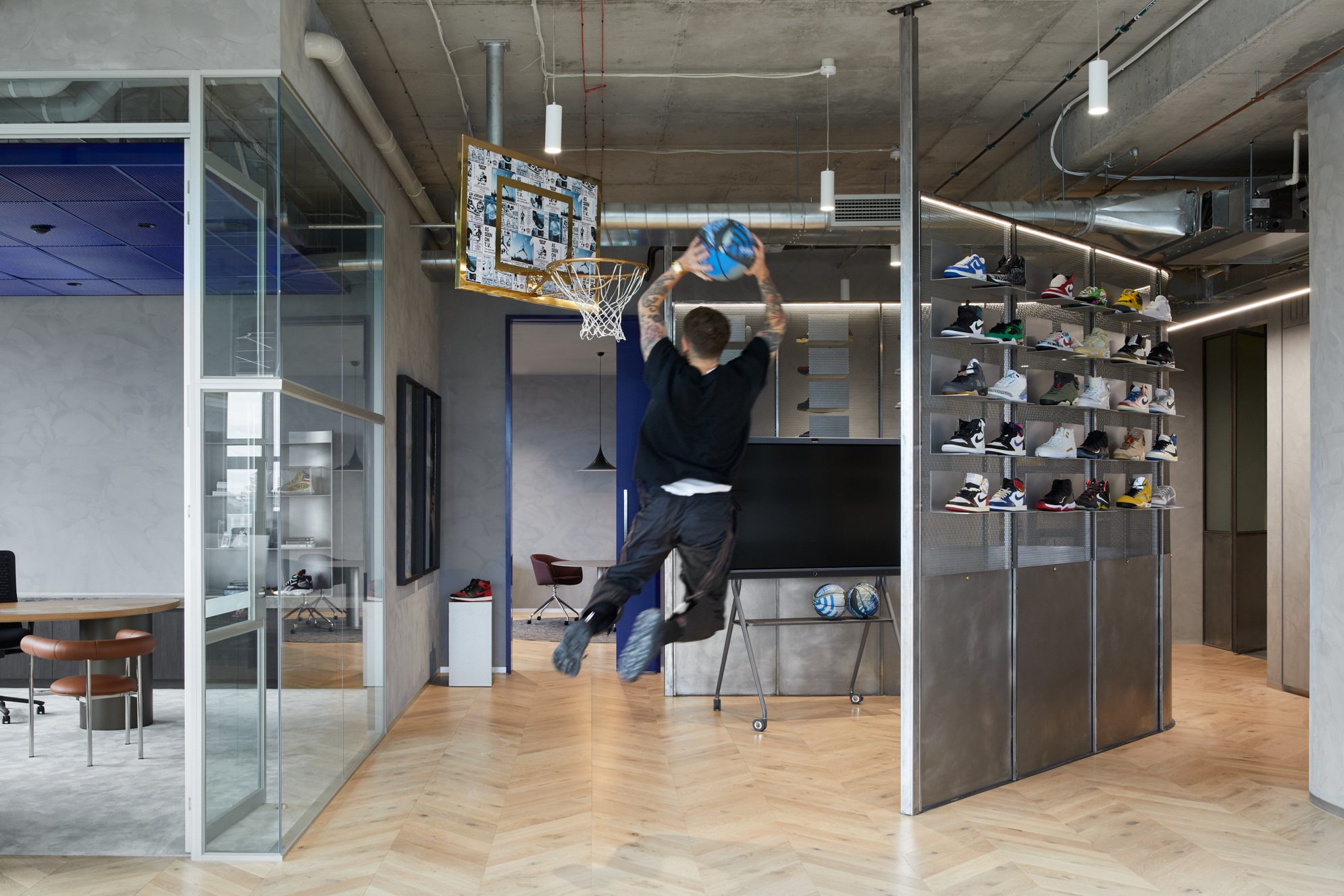
Through investigation and questioning, the combination of space types can be determined for any organisation. Providing a variety of settings gives people the flexibility to choose the environment that best supports the task at hand, whether that involves focused individual work, collaboration with colleagues or informal interaction. As people move between different settings throughout the day, opportunities for organic and spontaneous connection naturally emerge.
When the workplace is designed around employee behaviours, both engagement and productivity will improve. By combining the right mix of spaces with thoughtfully designed furniture solutions, acoustics, lighting and seamless technology, we enable individuals and teams to perform at their best.
Providing a workplace that is intentionally designed around desired behaviours, organisations can improve collaboration, employee experience, innovation, productivity, wellbeing, office attendance and maybe even retention.
So, how many desks do we actually need?
One question I hear you asking… if we reduce the number of workstations to cater to a bigger variety of relevant spaces, how do we calculate desk numbers in our floorplans? The best way to determine how many desks you include can be determined by occupancy data, or the number of people attending the office on any given day.
By analysing the data, clear patterns will emerge that inform us on peak attendance days (the occupancy bell curve) and maximum attendance over any given day or week. We often see that the bell curve shows typical attendance falling over Tuesday to Thursday. When we have the right mix of spaces, the movement of people on those peak days allows us to reduce the number of workstations.
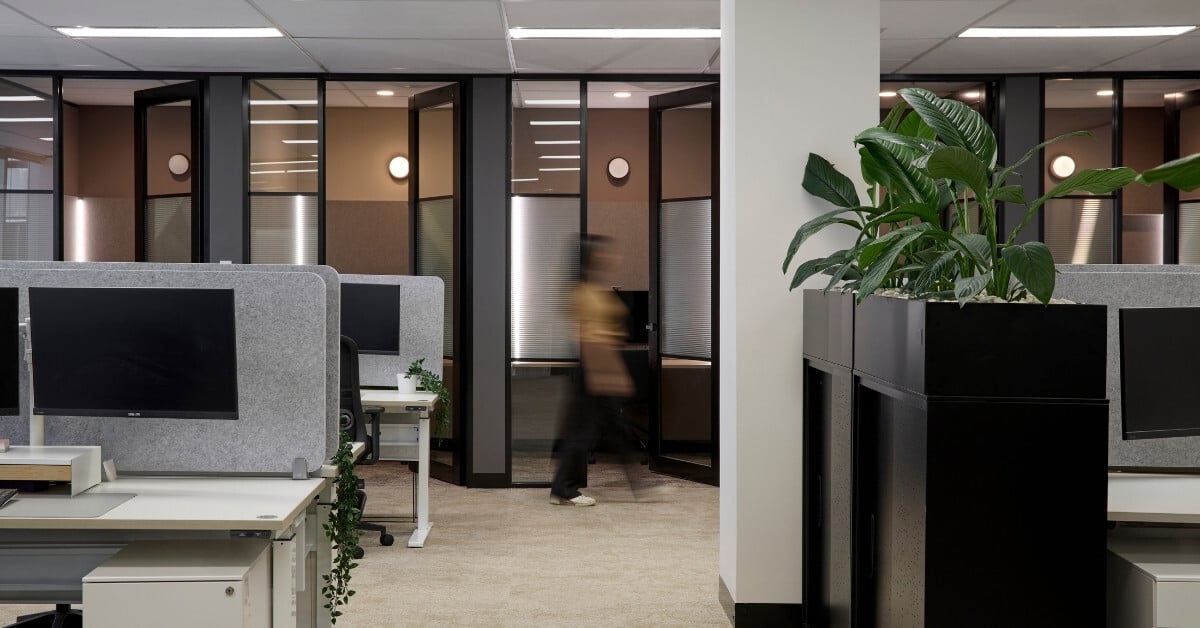
An organisation will decide what’s right for them, but through discussion we can determine where the number of workstations might land. Depending on the organisation, this could be anywhere between 0.6 (60%) to 0.5 (50%), with innovative clients going as far as 0.4 (40%) of team numbers.
Conclusion
So let’s leave the old thinking behind and make employee behaviour effortless.
The modern workplace encourages movement, connection, productivity and wellbeing, providing a strong cultural return on investment for any organisation.
We all talk about working flexibly, but maybe it’s time to rethink what flexibility means and bring that thinking to include the workplace. Being relatively new at Amicus, the office is more than a location with workstations, it’s a destination where I can work in a setting that supports what I’m doing that day, or hour, and somewhere I can catch up with colleagues, feel supported and build connections.
If you’ve experienced a beautifully designed workplace that supports the way you work and connect, then you’ll understand the difference between the old and new environments and how that drives engagement and attendance. This is why the best workplaces are designed around behaviours and not just desk numbers. Great workplaces don’t work because they have beautiful furniture or impressive breakout spaces (although of course that helps), but you value them because they make work better and everyone wants to get involved.
.png)
-2.jpg)
-2.jpg)
-2.png)
/Sectors/Office/contact-amicus.jpg)
