
Key Takeaways
- Technology is part of the workplace experience, not an extra. It helps decide whether people choose the office or stay home, so it belongs in every uplift and workplace experience discussion.
- Bring technology in early. Left to the end, it’s squeezed into a locked design and budget and a beautiful fit out shows up technology that doesn’t deliver. Plan it for hybrid meetings and for the future.
- Start with a tech audit. It costs little, shows what’s end of life, outdated or worth keeping, allows targeted rather than wholesale replacement, and can save significant money in the long run.
- Don’t rule technology out because you assume it’s expensive.
You may have worked in an office where the spaces are flexible and suited to the teams using them, making it a pleasure to work, collaborate, meet and socialise within.
If you’ve ever worked in an office that has seamless technology, you won’t remember it. However we all remember those experiences where we’ve battled with horrible technology!
With so many organisations still unsure about office attendance and the costs associated with underutilised space, it might be time to look at the experience your technology gives your people.
Technology is an essential part of the experience, not a nice to have.
Cisco’s 2023 research (still relevant) found that 77% of workers want to come into the office at least a few times a week. However, 64% also say their office doesn’t enable them to do their best work.
Technology isn’t the whole story, but it’s part of the reason people want to come in and it can also be part of the reason they’d prefer to stay home.
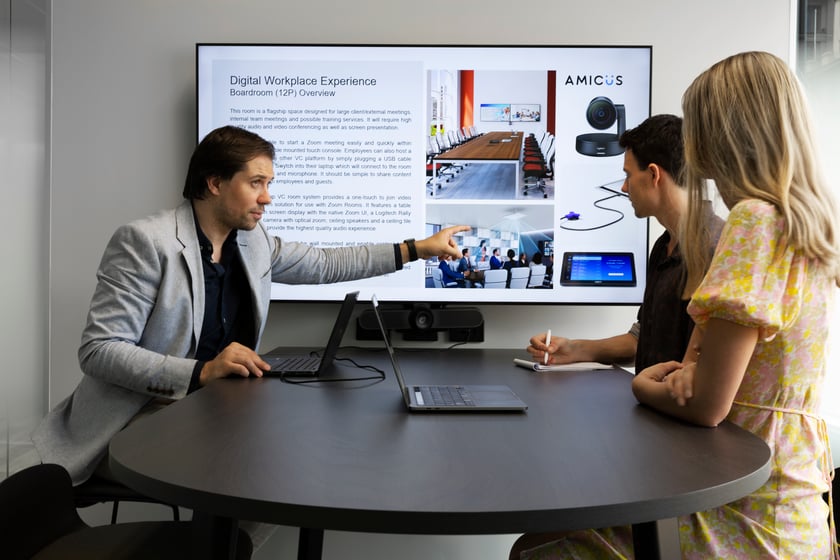
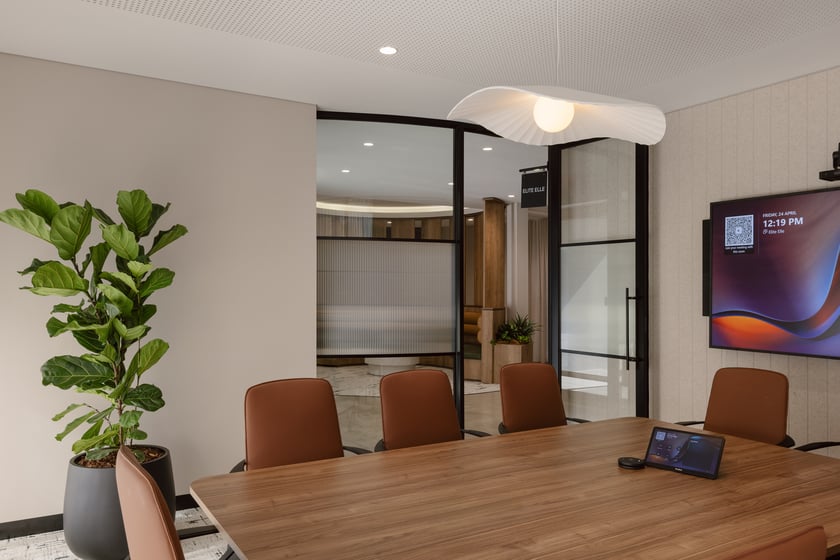
I had an experience with a past employer, where the technology within the meeting rooms was so frustrating to set up, we wouldn’t bother with it. There were lengthy laminated instructions on each table, but up to six of us would sit around the table on our laptops joining the same meeting with colleagues working remotely. This became a bit of a joke, but where clients were involved, it was embarrassing.
When technology works, nobody notices. When it doesn’t, it’s the thing people remember.
We’ve all experienced days when it makes sense to work from home due to back-to-back meetings, but it’s not a good sign if team members stay home because it’s easier to connect to WIFI and join meetings without the kerfuffle of conquering meeting room technology.
Is the smartest workplace the one with the most technology, or the one with least friction?
Paul Simmons, our Head of Technology says:
So when it comes time to upgrading your workplace, why does technology get treated as an afterthought?
In my experience, during refurbs and workplace uplift works, senior leaders and decision makers often focus on visual elements such as the design, furniture and space types. I’ve seen a room full of senior leaders understandably get immersed in all the samples, trying out various chairs and having heated discussions about where a tea point should be located.
Physical components can be seen and touched, while the technology can be harder to picture, often leaving it deprioritised and added later in the project.
By the time technology is taken into consideration, the design is locked in and the budget committed, leaving tech squeezed into a disappointing result.
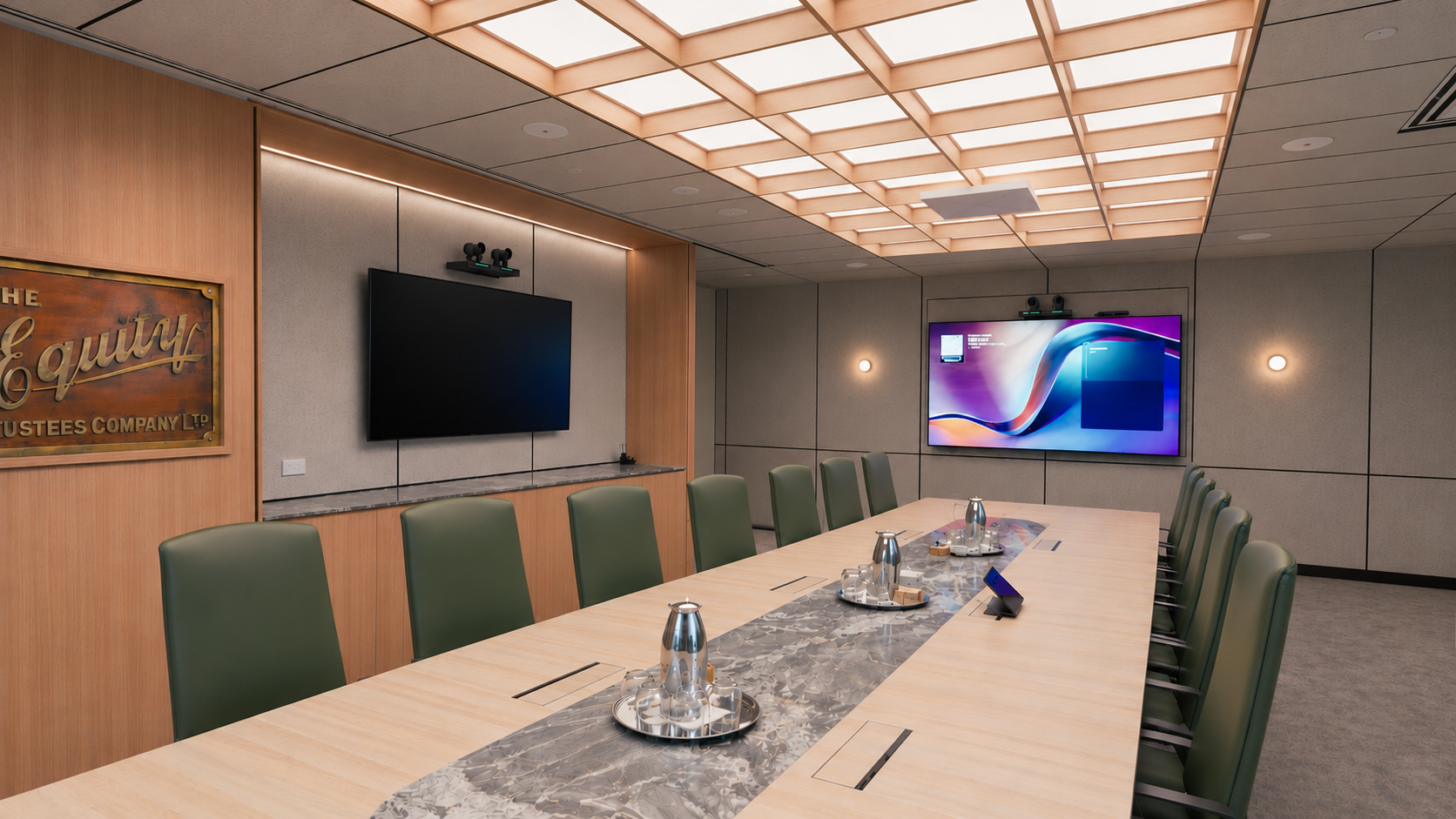
The outcome is a workplace where a beautiful fitout will immediately show up technology that doesn’t deliver to the same expectation.
Earlier this year, Leesman conducted a poll of 129 corporate real estate leaders. 84% said employee experience is a primary driver of their real estate strategy, yet only 27% included employee satisfaction as a top factor in their property decisions. That’s a significant gap of 57 percentage points between what leaders say matters and what shapes their property decisions, and technology is a big part of that experience.
A beautiful space where meeting rooms don’t suit how people meet and systems don’t talk to each other, can be a costly disappointment.
Paul continues:
I have to admit I have a few pet hates; cabling hanging down under desks, inconsistent WIFI coverage across the workplace and nowhere to charge your phone.
Technology needs to keep up with the way people work.
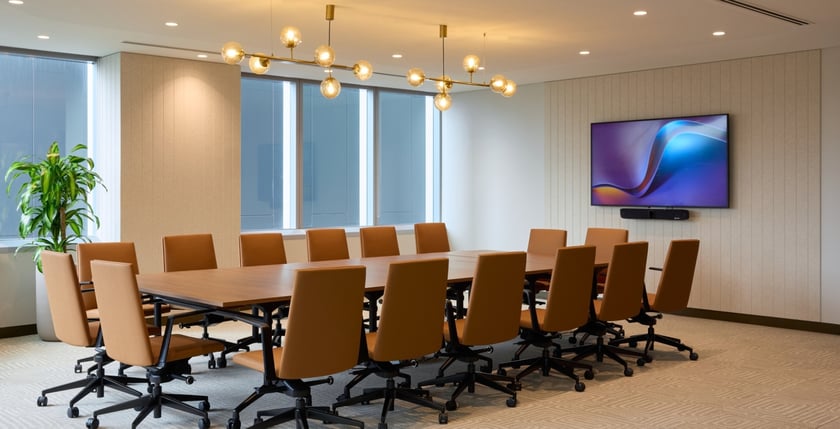
Whether I’m working from the office or elsewhere, the majority of my meetings are hybrid, so it’s important the technology meets my needs. I’ve heard Paul say, "you can have a hybrid meeting without video, but you can’t continue without sound". It seems so obvious, but he’s spot on and it’s why the fundamentals have to work every time.
Paul continues:
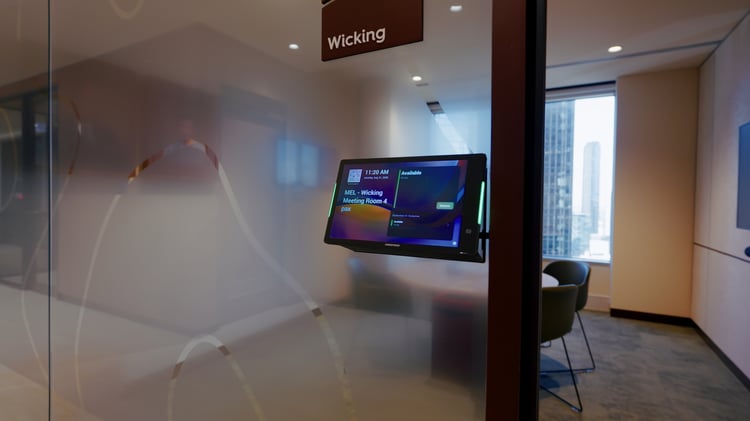
Start with with a clear vision for your technology.
The good news is you don’t need to commit to a major spend to get clarity on the current state of your technology. A tech audit is one of the most practical first steps and it doesn’t cost a lot.
An audit helps you identify:
- What’s end of life?
- What’s outdated?
- What’s worth keeping?
Knowing what’s worth keeping matters and it means you can plan your spend instead of reacting to problems.
An audit conducted early, can be a significant cost-saving exercise in the long run.
So if you’re planning on relocating, looking to do major or minor uplift works, or identifying and challenging your ways of working, add technology from the start.
When your technology is right and produces an experience people hardly notice, it stops being the reason your people stay home and becomes part of the reason they come to the office.
Ready to create a smarter, more connected workplace? Reach out to our team about integrating technology that enhances your workplace experience.